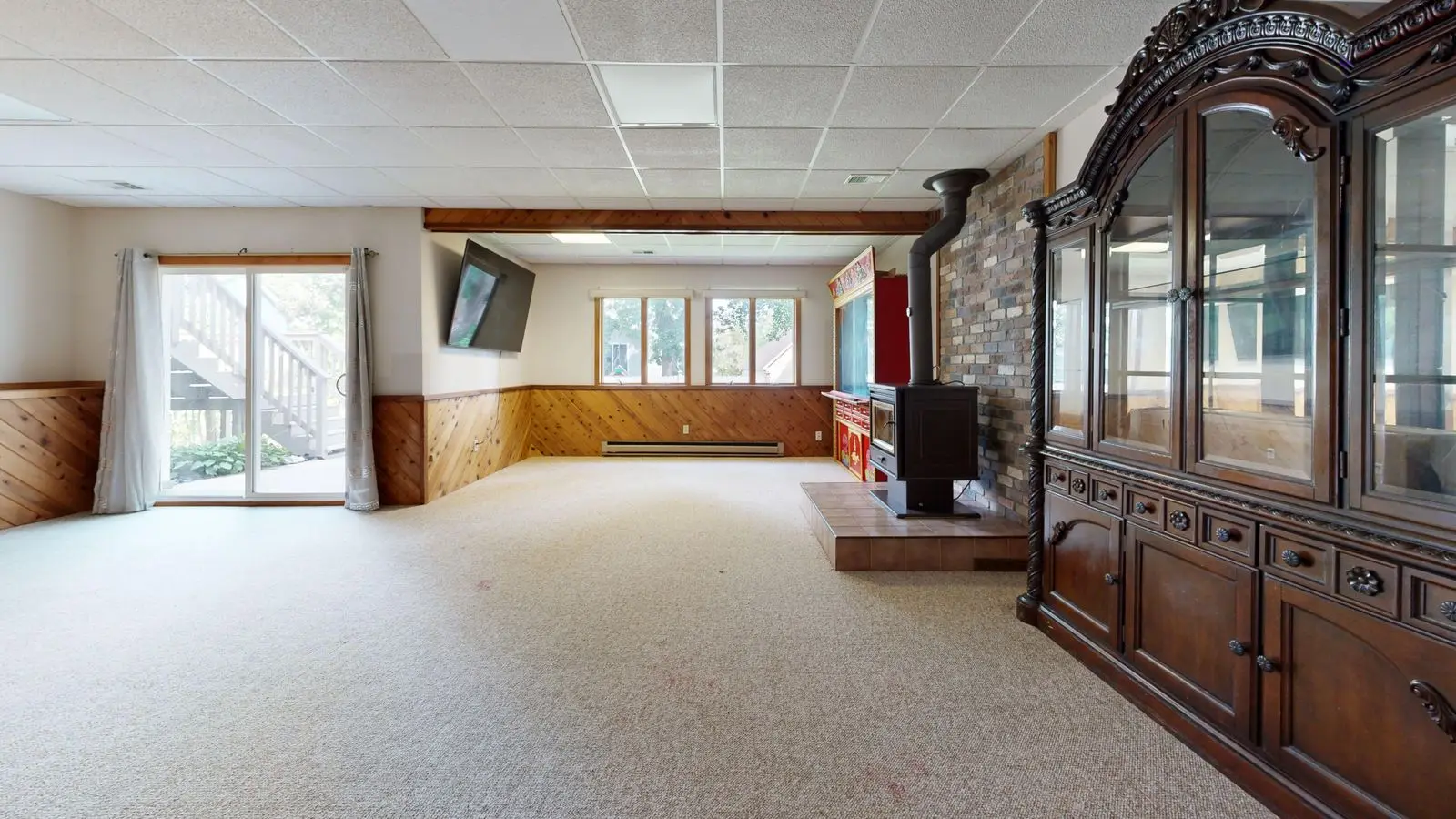
Signs you may need basement waterproofing
- Water on the floor after heavy rain or snowmelt
- Damp walls or white mineral deposits (efflorescence)
- Musty smell in the basement
- Planning to finish the basement and want it dry first
There are two broad approaches: managing water that gets in (interior drain tile and a sump pump) or stopping it at the wall from outside (excavation and exterior membrane). A local pro can inspect and explain which fits your home.
Request a free estimate from a local pro
Popular areas
Local conditions
Most basement water comes from the lot itself: soil that stays saturated after heavy rain or snowmelt, downspouts that empty next to the wall, a yard that slopes toward the house, or a sump discharge that cycles back. Saturated soil pushes on foundation walls (hydrostatic pressure), and water finds the joint between the wall and floor, cracks and pipe openings. A good inspection should show you which of these is happening in your home.
Wondering about price? See our basement waterproofing cost guide for published price ranges and what drives them.
Basement Waterproofing by town
FAQ
How much does basement waterproofing cost?
It depends on the home, the cause and the method. We don't set or quote prices; get a written estimate from the contractor after an inspection.
How soon can someone look at it?
It depends on contractor schedules; spring thaw and big storms are busy times. Send a request and we'll check.
Who will I be talking to?
Greater Milwaukee Waterproofing is a referral service. We connect you with an independent local basement waterproofing contractor who serves your area. We don't do the work ourselves.
Does it cost anything to request an estimate?
No. Requesting an estimate is free. Inspections, quotes and prices come from the contractor; get a written estimate before work starts.